New to Cricket? Everything You Need to Know Before Glasgow Cosmic's First Match
BY GLASGOW COSMIC EDITORIAL
New to cricket? T20 rules, match length, powerplay and DRS explained simply, so you can follow Glasgow Cosmic's first ETPL match with confidence.
If Glasgow Cosmic is the first cricket team you've ever followed, welcome, and don't worry about the sport's reputation for being confusing. T20 cricket, the format Glasgow Cosmic plays, is the fastest, simplest version of the game to watch live. Here's everything you need to follow along.
The basic idea
Two teams of eleven players take turns batting and bowling. One team bats first, trying to score as many runs as possible in a fixed number of overs (six-ball sets, 20 per team in T20), then the second team bats and tries to score more than the first team managed. Whoever scores more runs wins. That's the entire premise, everything else is detail on top of it.
What is powerplay?
The powerplay is the first six overs of each team's innings, when fielding restrictions limit how many players can stand far from the batter. Fewer boundary fielders means more gaps to hit through, so batting teams usually attack hardest during the powerplay, and it's often the most exciting stretch of any match to watch.
How does DRS work?
DRS (Decision Review System) lets teams challenge an umpire's decision using replay technology, primarily for close calls on whether a batter is out. Each team gets a limited number of unsuccessful challenges per innings, so it's used strategically, not for every close call. If you see players huddling and making a "T" shape with their hands, that's a DRS review being called.
Key terms you'll hear constantly
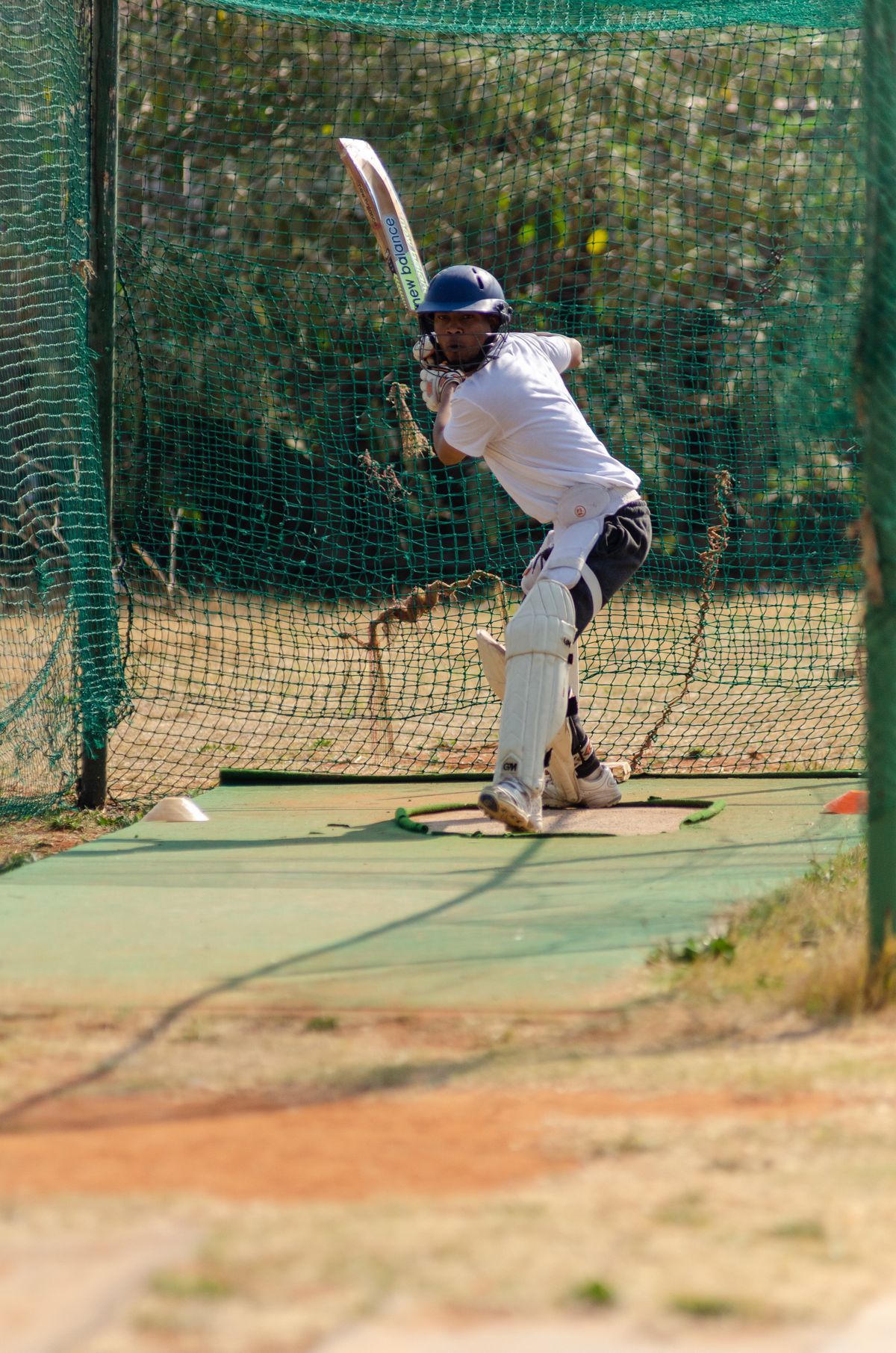
Six/four: A boundary hit that clears the field on the full (six runs) or reaches the boundary along the ground (four runs), the two most common ways to score quickly.
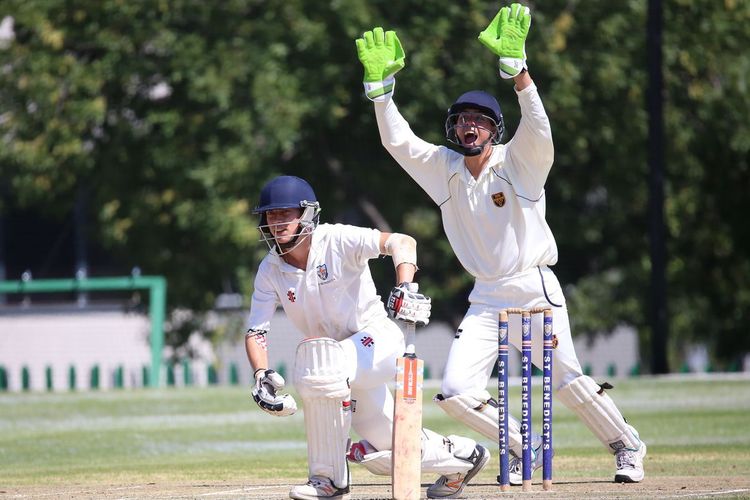
Wicket: When a batter is out, the batting team loses one of its eleven players for the rest of the innings.
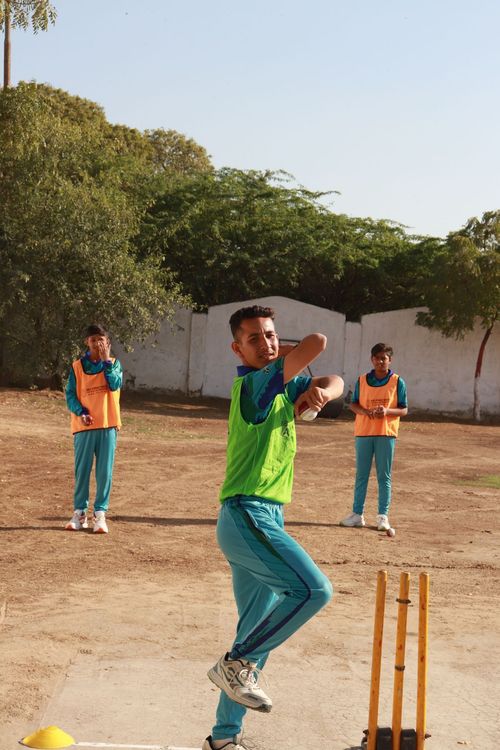
Over: A set of six consecutive balls bowled by one bowler. A T20 innings is 20 overs.
Strike rate: How many runs a batter scores per 100 balls faced, the key measure of batting speed in T20 cricket. Glasgow Cosmic's George Munsey, for instance, is known for an aggressive strike rate at the top of the order.
All-rounder: A player who contributes with both bat and ball, like Glasgow Cosmic's Kamindu Mendis or Moises Henriques.
Why T20 specifically is the easiest format to start with
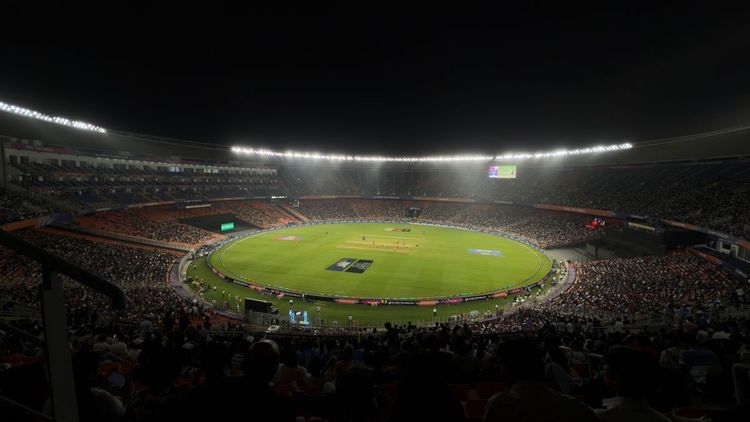
Cricket also has longer formats (Test matches can run five days), but T20 was built deliberately to be fast and accessible: a full match takes about three hours, similar to a football or rugby match, and the shorter format rewards aggressive, entertaining play rather than the patience longer formats require. If you're coming to cricket for the first time, a T20 match, like every Glasgow Cosmic game this season, is the easiest entry point the sport has ever offered.
Glasgow Cosmic's first ETPL season starts 26 August 2026. [Follow fixtures and squad news →]
Frequently Asked Questions
How long does a T20 cricket match last?
Roughly three hours including breaks, similar in length to a football match with extra time.
What happens if the scores are tied?
Most T20 competitions, including standard ETPL rules, use a Super Over, a one-over mini-match, to decide a tied game.
Do I need to understand every rule to enjoy a match?
No. The core idea, most runs after 20 overs each wins, is enough to follow a game. The rest of the terminology becomes familiar the more you watch.
What's the easiest way to start watching Glasgow Cosmic?
Follow the club's fixtures and squad news, and tune into whichever broadcast or streaming option is confirmed for the 2026 ETPL season closer to the 26 August start date.